

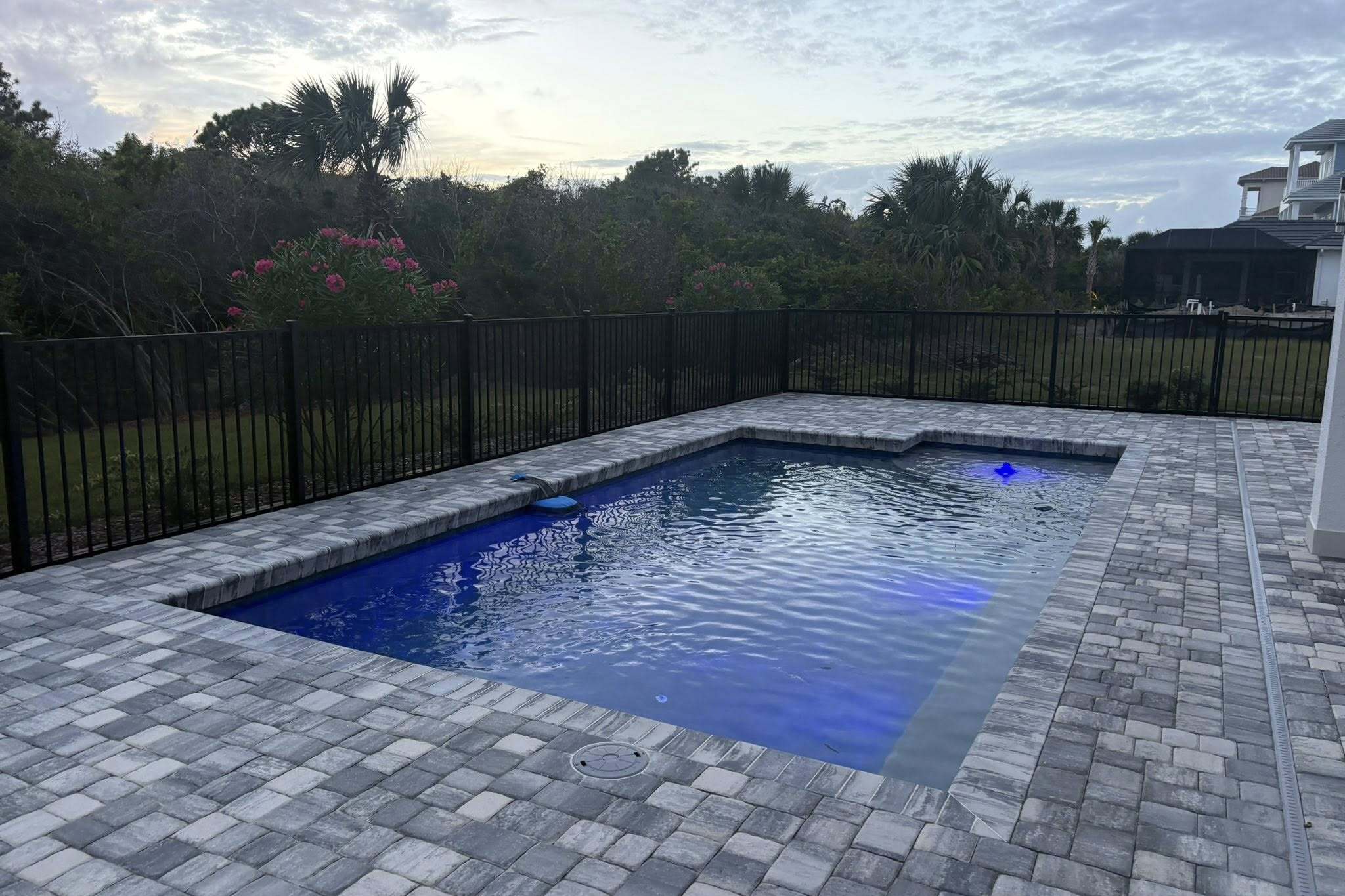
Rough texture, staining, fading, chips, and outdated finishes can all be signs that your existing pool surface needs professional review.
A swimming pool is designed to provide years of enjoyment, but like any part of your home, it experiences wear over time. Constant exposure to water, chemicals, sunlight, weather conditions, and daily use can gradually affect the condition of the pool surface. While some changes may appear cosmetic at first, they can eventually impact comfort, appearance, and long-term maintenance.
If your pool no longer looks or feels the way it once did, resurfacing may be worth considering. Understanding the common signs can help homeowners determine when it may be time to have the pool professionally evaluated.
Rough or Uncomfortable Surfaces
One of the most noticeable signs of surface deterioration is roughness. Pool finishes naturally wear over time, and what was once smooth may begin to feel abrasive underfoot.
Homeowners often notice:
- Rough spots on pool walls
- Abrasive areas on steps or benches
- Discomfort when walking or swimming
- Surfaces that feel uneven
A rough finish can make the pool less enjoyable and may indicate that the existing surface is reaching the end of its lifespan.
Persistent Staining
Not all stains can be removed through regular cleaning or chemical balancing. Over time, certain stains become embedded within the surface material itself.
Common examples include:
- Mineral stains
- Metal discoloration
- Dark patches
- Uneven color changes
- Long-term chemical staining
When stains become permanent or widespread, resurfacing may be one of the most effective ways to restore the pool’s appearance.
Fading and Outdated Appearance
Pool finishes can gradually lose their original color and visual appeal. Years of exposure to sunlight and chemicals often contribute to fading, discoloration, and an aged appearance.
Even if the pool remains functional, an outdated finish can make the entire backyard feel older than it really is. Many homeowners choose resurfacing as part of a broader backyard refresh to improve the look and feel of the outdoor space.
Cracks, Chips, and Surface Damage
Small chips and cracks may seem minor initially, but they can become more noticeable over time. Surface damage can affect both appearance and overall comfort.
Look for signs such as:
- Small surface cracks
- Chipped areas
- Missing finish material
- Visible deterioration around steps or edges
- Areas that appear worn or damaged
A professional evaluation can help determine whether resurfacing is the appropriate solution.
More Frequent Maintenance Issues
As pool surfaces age, they can become harder to clean and maintain. Stains may return more quickly, surfaces may collect debris more easily, and overall upkeep may require more effort.
While maintenance challenges can have several causes, an aging pool finish is often one factor worth considering.
Planning Other Backyard Improvements
Resurfacing is not always triggered by damage alone. Many homeowners choose to update the pool surface when planning other outdoor living improvements such as hardscape updates, outdoor kitchens, firepits, seating areas, or pool enclosures.
Refreshing the pool at the same time can help create a more cohesive and updated backyard environment.
When to Schedule a Professional Review
If you notice rough textures, staining, fading, chips, cracks, or an overall outdated appearance, it may be time to explore resurfacing options. A professional assessment can help identify the condition of the existing finish and determine whether resurfacing makes sense for your long-term plans.
A refreshed pool surface can improve comfort, appearance, and enjoyment while helping your backyard feel cleaner, newer, and more inviting. For many homeowners, resurfacing is one of the most effective ways to extend the life and visual appeal of an existing pool.